Webinar On Demand: Mega Projects & The Road Ahead for Australia’s Engineers with NGNU & Red Fox Advisory
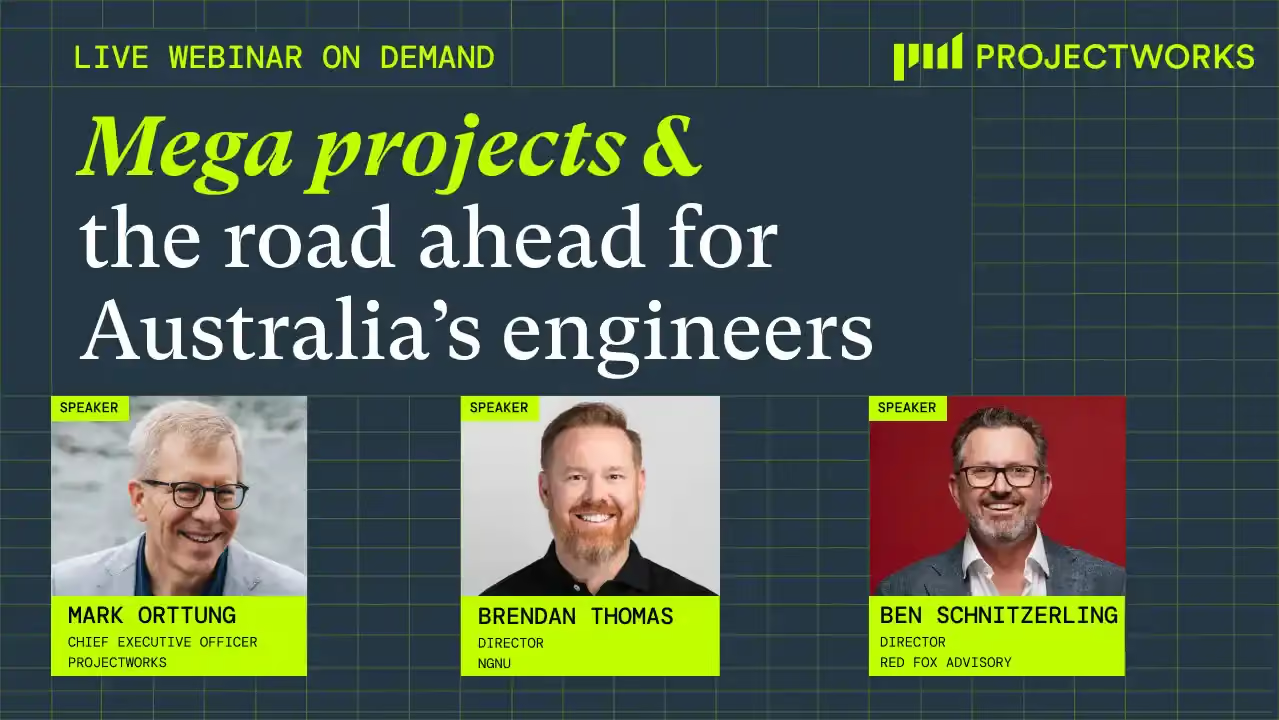


In this live webinar with our customers NGNU and Red Fox Advisory on Mega Projects & The Road Ahead for Australia's Engineers we brought together the directors of engineering and consulting firms to unpack what's changing, what isn't, and what their firms are doing to maximise chances of success going into 2026. Below, we share key insights from the webinar.
Australia's engineering sector is entering its next decade of nation-shaping mega infrastructure projects.
Between project complexity, tightening delivery pressures, shifting procurement models, and a gap in the workforce, leaders are navigating decisions that carry enormous economic, social and cultural impact.
Below, we share conversation highlights from the webinar:
Why We Must Look Back to Look Ahead - Rewiring What it Means to Deliver Mega Projects
A strong theme was the shift from traditional "win the bid, deliver the job, then on to the next" thinking to a more collaborative, shared-risk, longer-term view. As procurement methodologies evolve, engineering firms are taking on greater accountability for cost blowouts, scope creep, and return-on-investment assessments for each project.
Speakers highlighted that transparent financial visibility, accurate forecasting, and data sharing could provide early-warning insights essential to rewiring what it means to deliver on large, multidisciplinary projects.
Shared Risk Means the Old Procurement Playbook No Longer Works
One of the strongest points raised was that, today, procurement for government-led large scale projects assumes that engineering firms are true delivery partners, not just technical suppliers.
Speakers noted that this shift creates both opportunities and greater exposure to risk for a firm. Ben, Director at Red Fox Advisery spoke about how procurement and contracting models are shifting more delivery risk onto consultants, meaning firms must own the commercial, delivery, and community outcomes, not just the design package.
The days of winning a project, getting paid, and hoping to recover costs later are gone — that model simply isn’t sustainable anymore.
Outcomes Matter - but Legacy is What Matters Most
A crowd favourite was a discussion focused on what going beyond compliance really means.
Speakers highlighted a clear shift away from box-ticking compliance toward genuine cultural inclusion. From project delivery frameworks to involving community from day 0.
Going beyond compliance factors in people, country, and a long-term outlook from the very beginning.
Brendan, Director at NGNU, underscored that aligning project methodology with First Nations frameworks isn’t about meeting a requirement. It’s about designing infrastructure that genuinely works for communities, country, and future generations. Engineers are increasingly expected to co-design, engage early, and understand place-based impacts well before design milestones. For nation-shaping projects, involving the communities affected from day zero isn’t optional — it’s essential to building a legacy that lasts.
The Next 18 Months Require a Different Operating Rhythm
Whether it's procurement reform, client expectations, or the pace of AI and digital adoption, the next 12-18 months will separate firms ready to win in 2026,from those hoping past methods still work.
The message was clear: engineering leaders need sharper insights, stronger commercial discipline, thinks about 'legacy' and investing in operational systems to navigate the road ahead.
Across all perspectives, our speakers agreed the industry is moving toward:
- More transparent delivery
- More collaborative, shared commercial risk delivery model
- Integration of cultural, environmental, and technical factors from day 0
- Faster decision-making supported by real-time project data
If you're responsible for leading project delivery, commercial decisions, or team performance inside an engineering or consultancy firm, then book in a time with our team today to learn more about Projectworks.
For the webinar: Watch Live On Demand here.


Read similar resources from Projectworks

E-invoicing sends invoices straight into your client's finance system via Peppol. Here's what NZ and Australian firms need to know and fix first.

Most pipeline coverage advice is written for SaaS. Here's how a consulting firm sets coverage by deal stage and plans for the clients it will lose.

Let’s say a consulting firm signs a $30,000 engagement in July and invoices the full fee upfront. The client pays quickly and the cash lands, but the work runs from July through September. By the end of July the firm has completed about one-third of the engagement - the project’s on track but the finance team have some work to do to match revenue with the costs incurred (the “matching principle” of having costs and revenue in the same period is a key accounting concept). Only a third of the project’s fee has been earned (because only a third of the work has been done), and the remaining $20k of revenue is deferred to a future period.